



Process

Existing Conditions

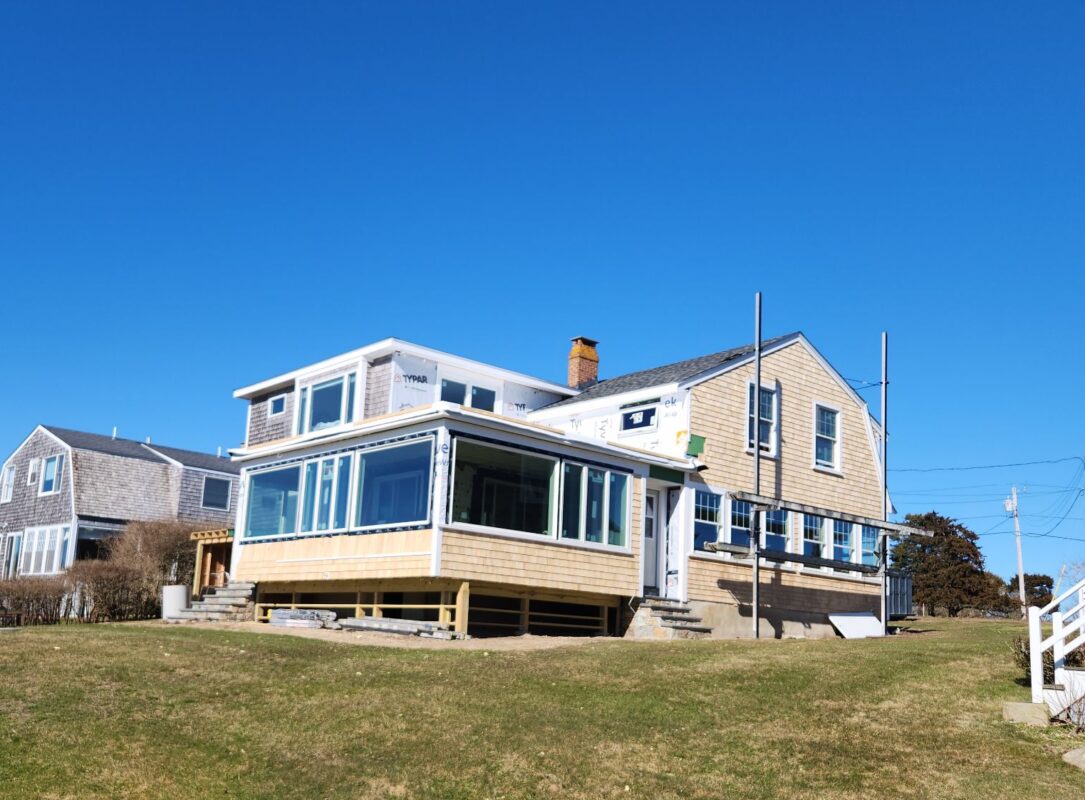
We start by understanding your home as it is today. How it functions, where it falls short, and what problems need to be solved.

Design Development

Your needs are translated into a clear, thoughtful design that balances function, longevity, and how you want to live in the space.

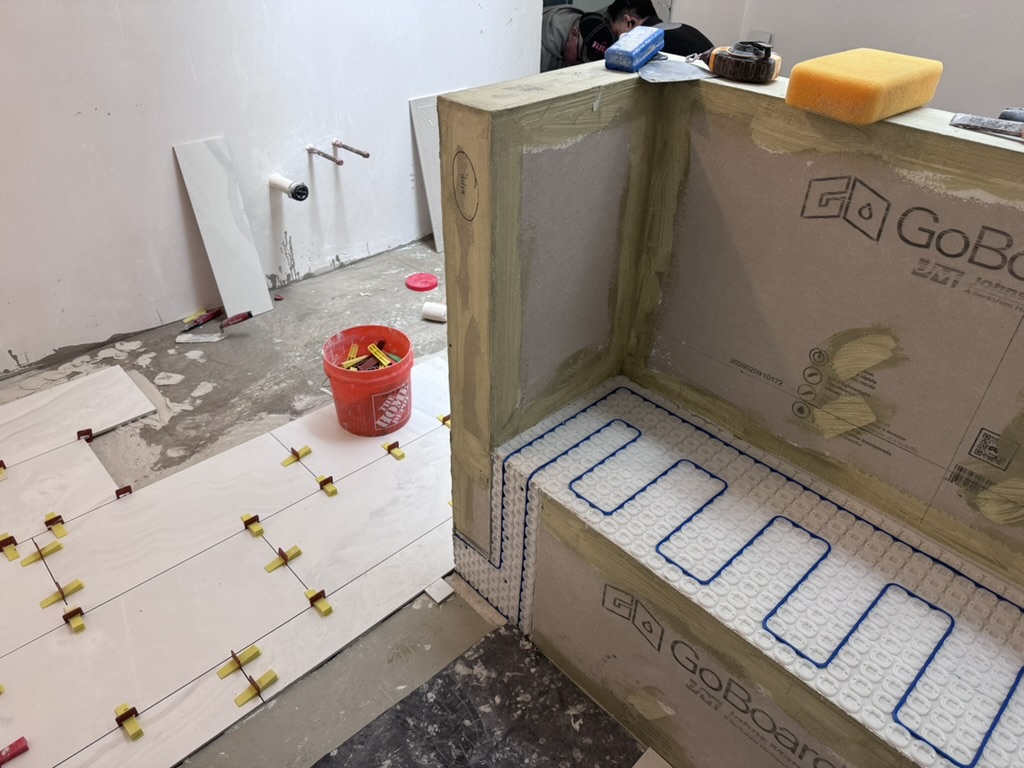
Construction

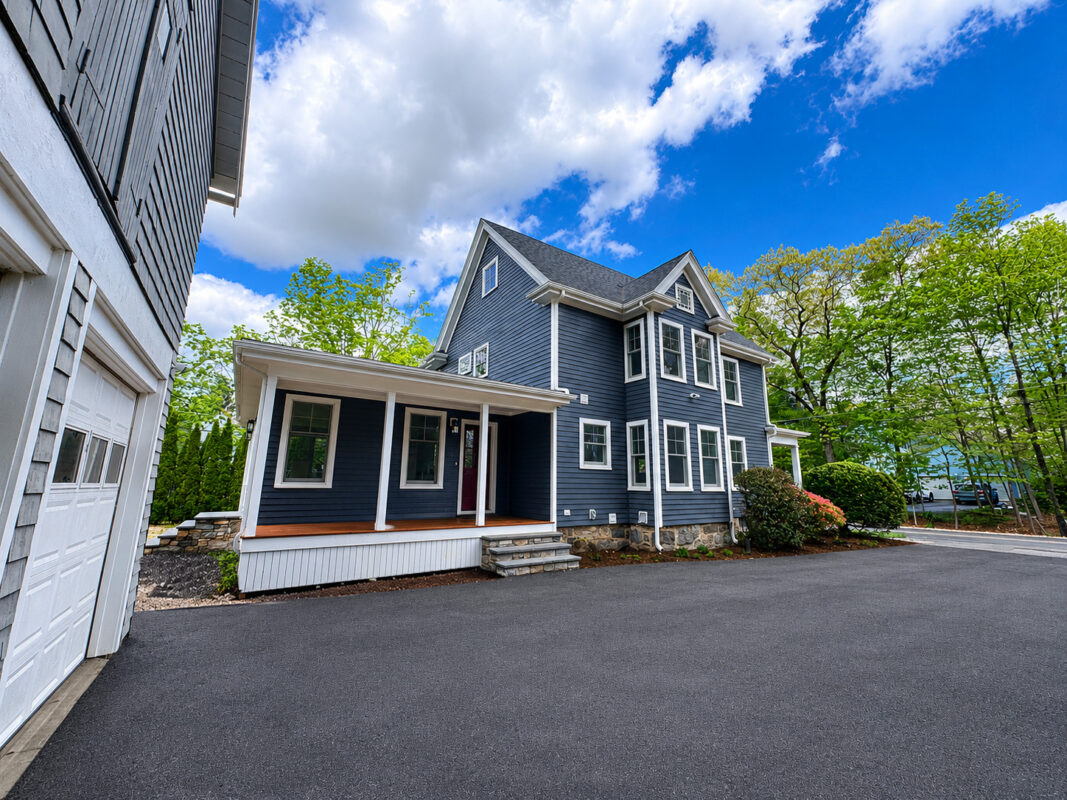
Our team builds with care and craftsmanship, ensuring your home is constructed properly, thoughtfully, and built to last.

VL Family

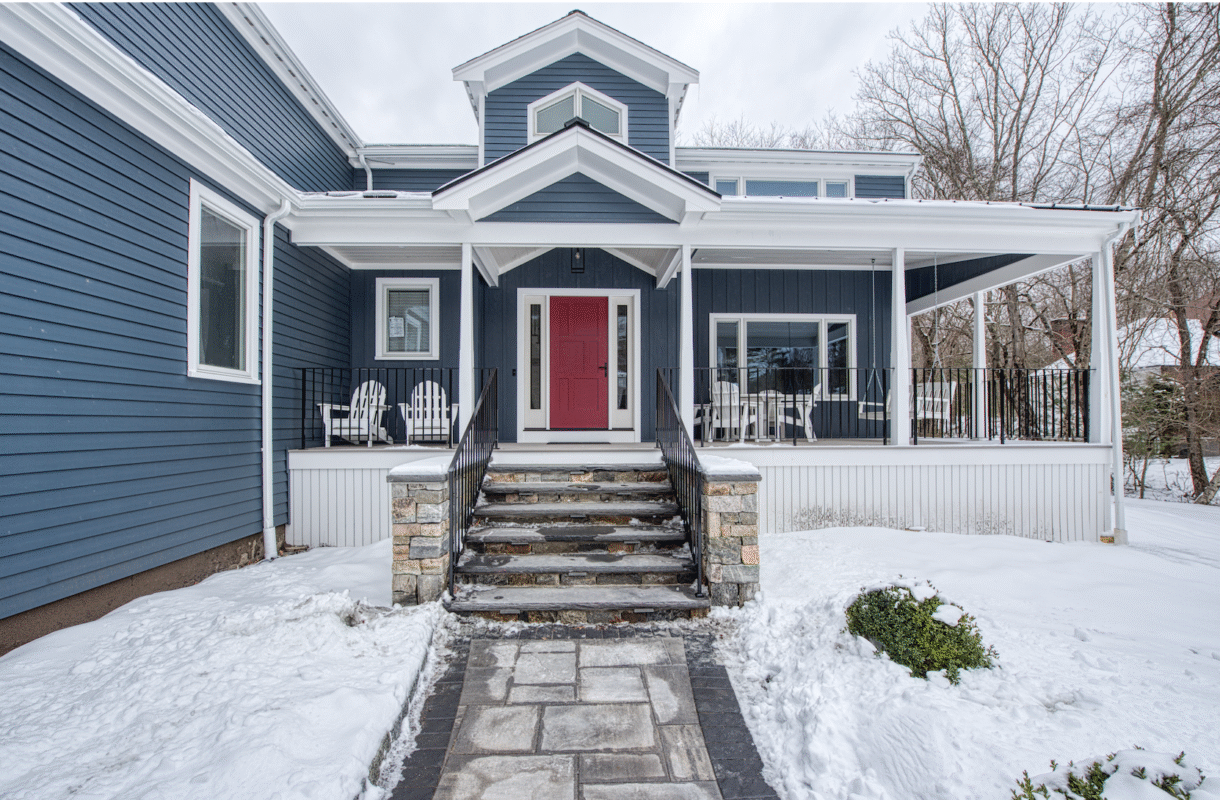
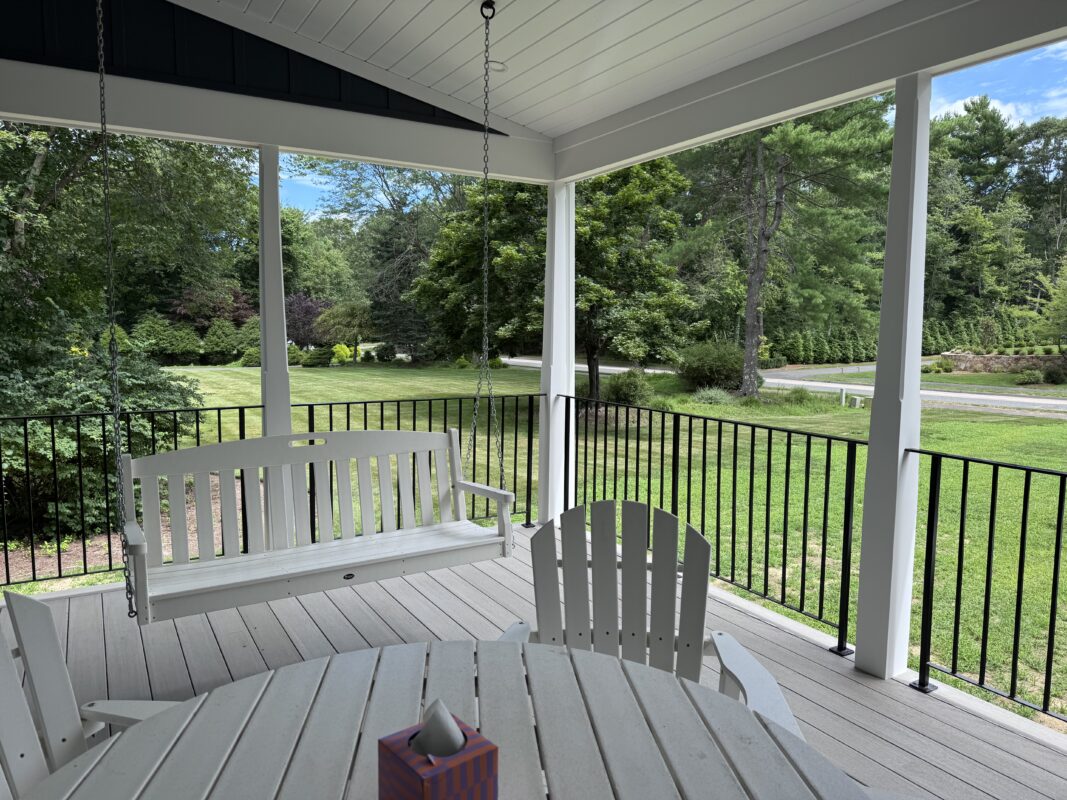
Welcome to the Van Leer Design Build Family. The project may be complete, but the relationship is not. Your home and your long-term comfort remain our top priority.

Services

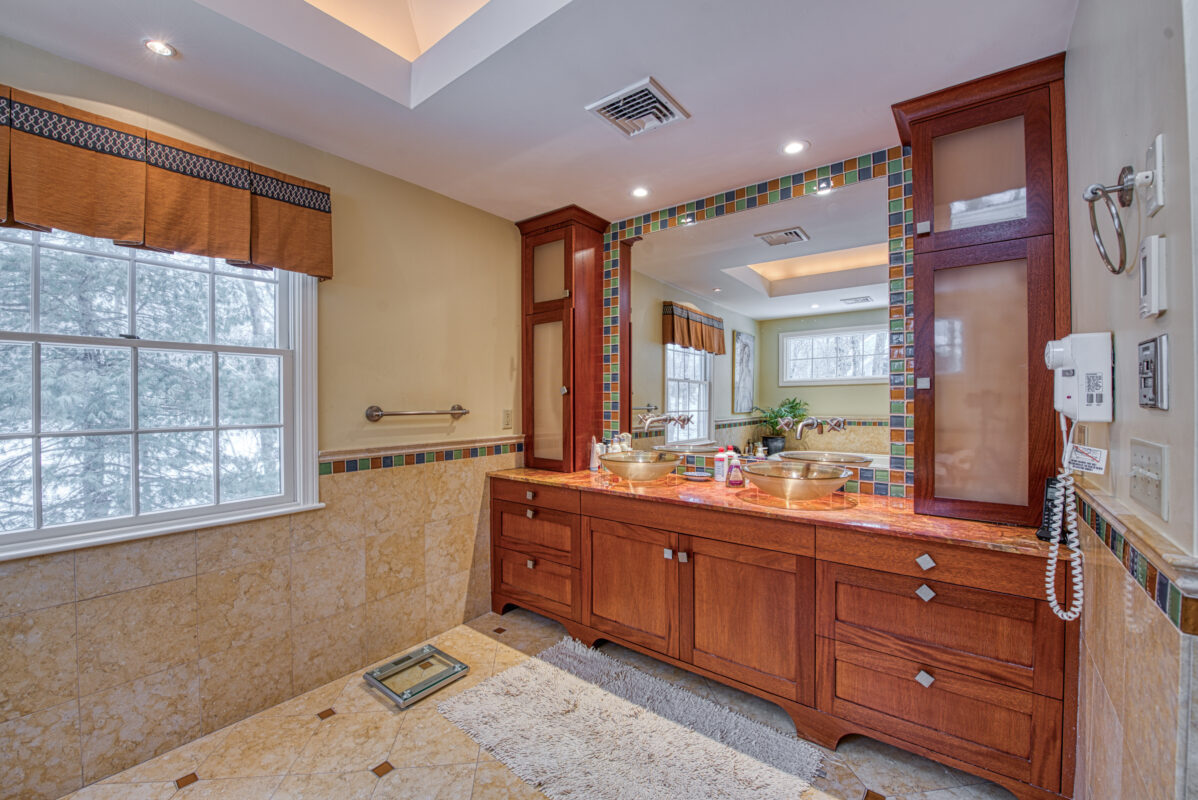
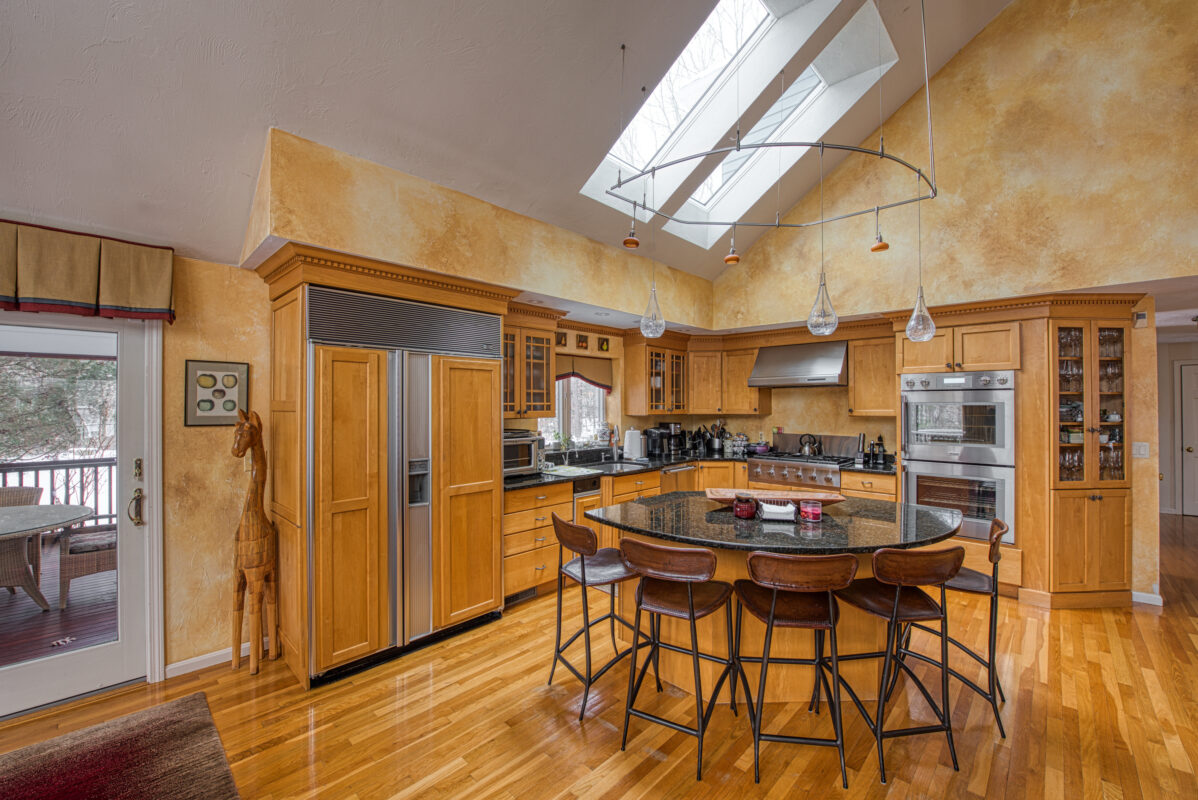
Remodeling
Additions
Age in place
Elevators
Adus

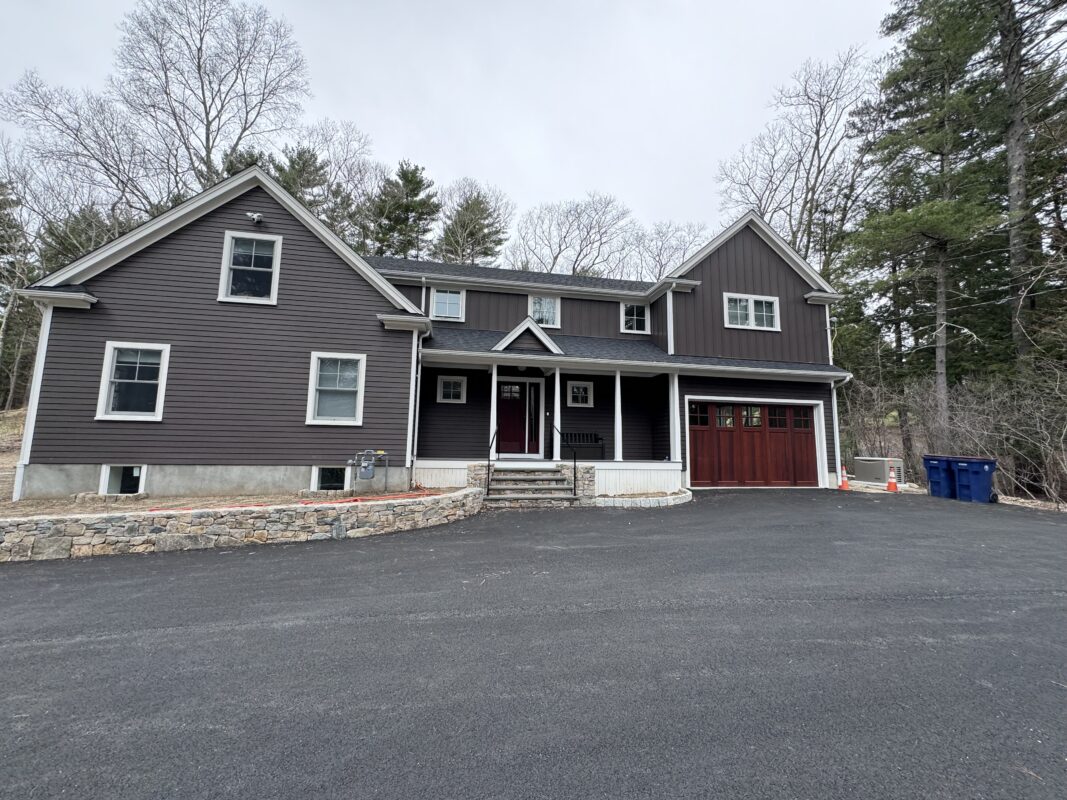
Remodeling

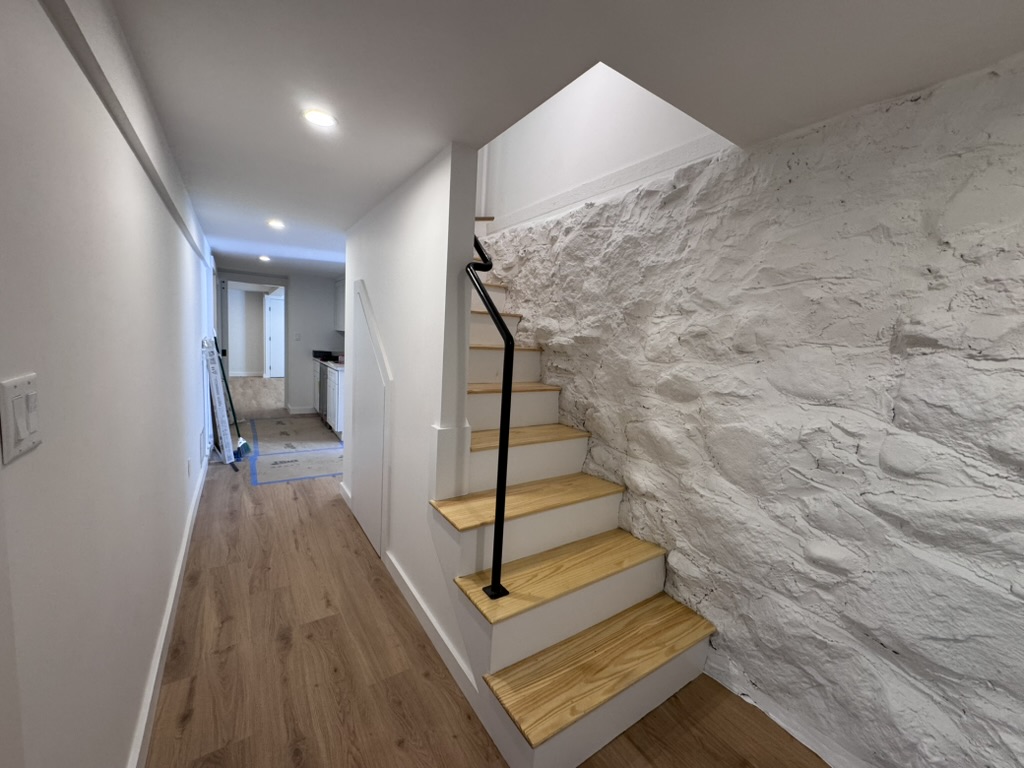
Moose Hill

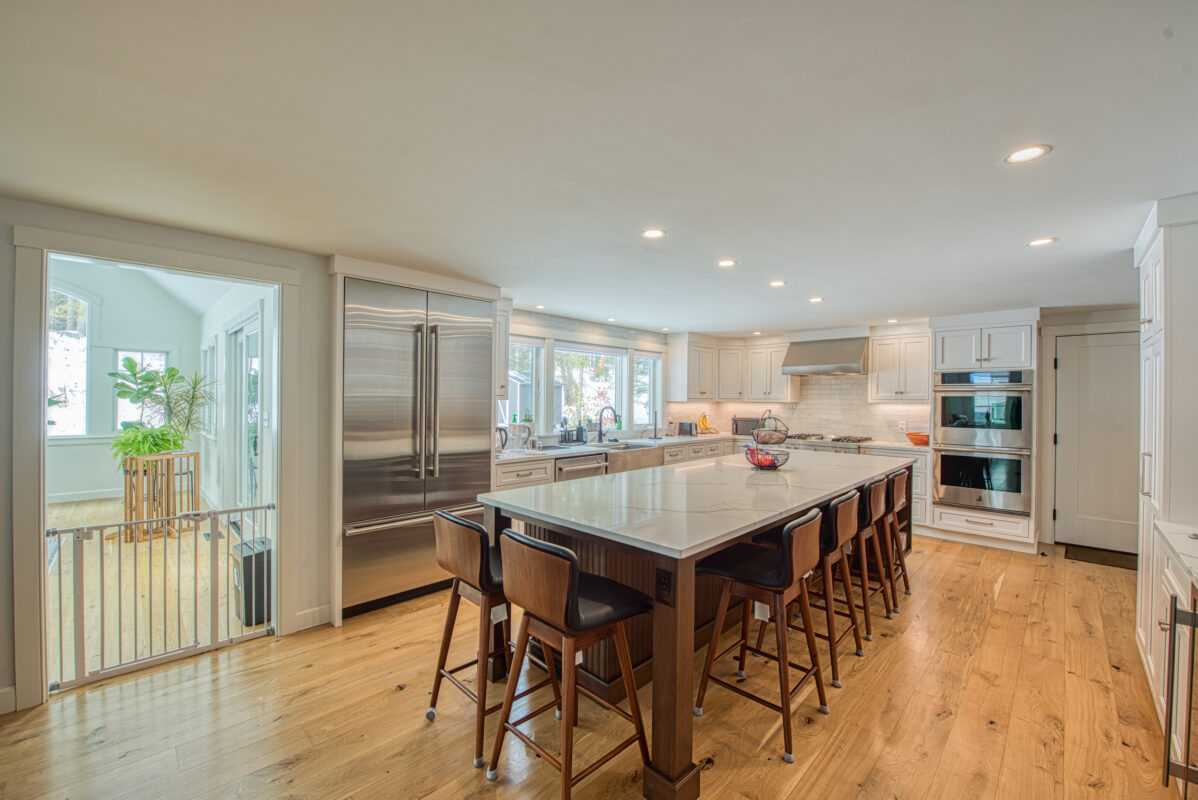
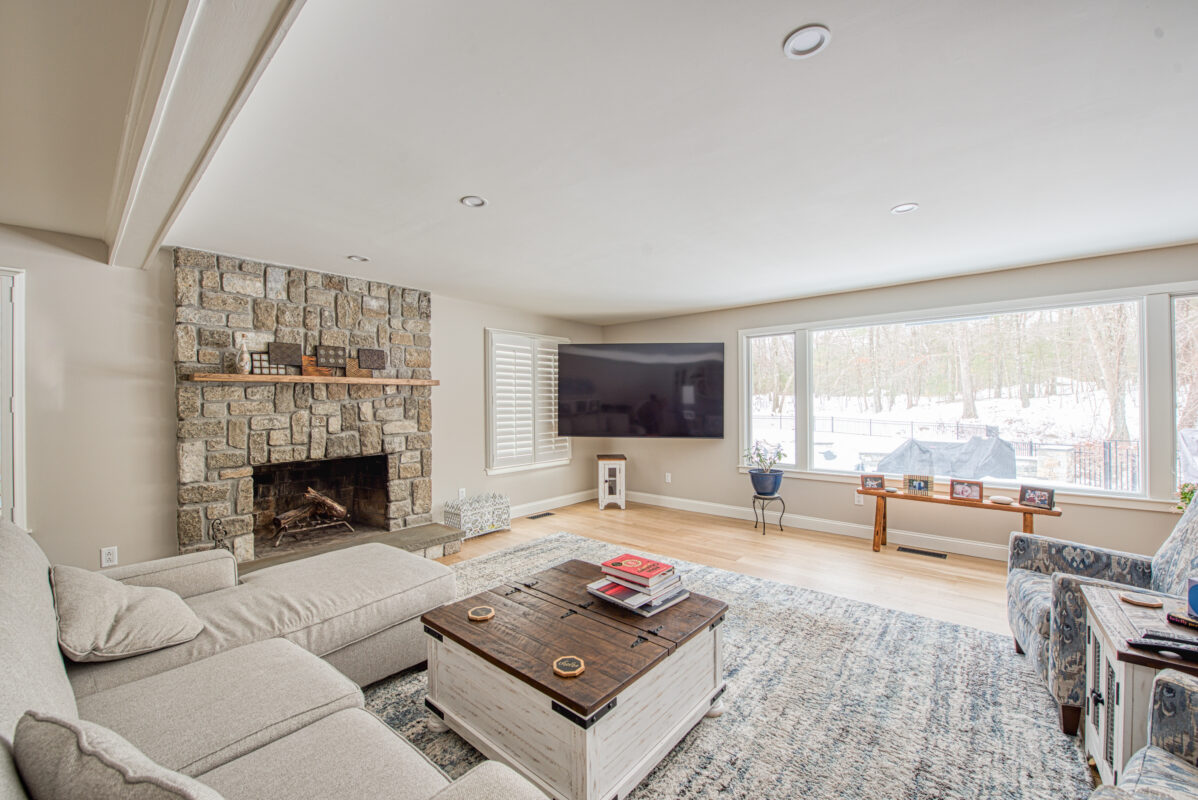
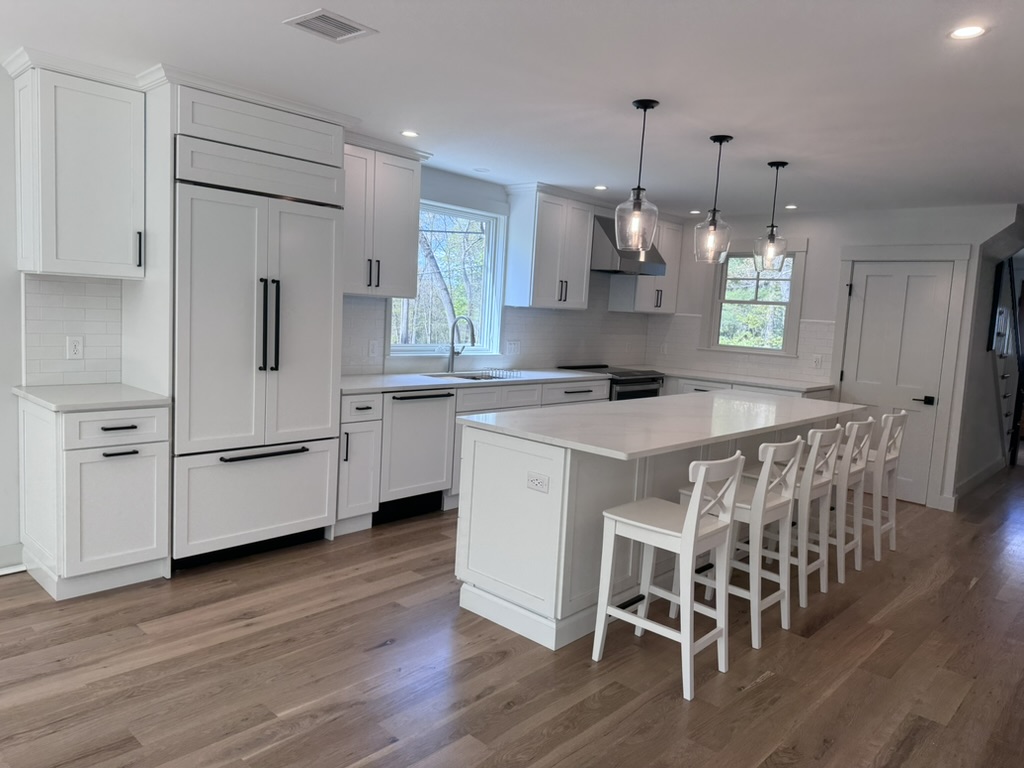
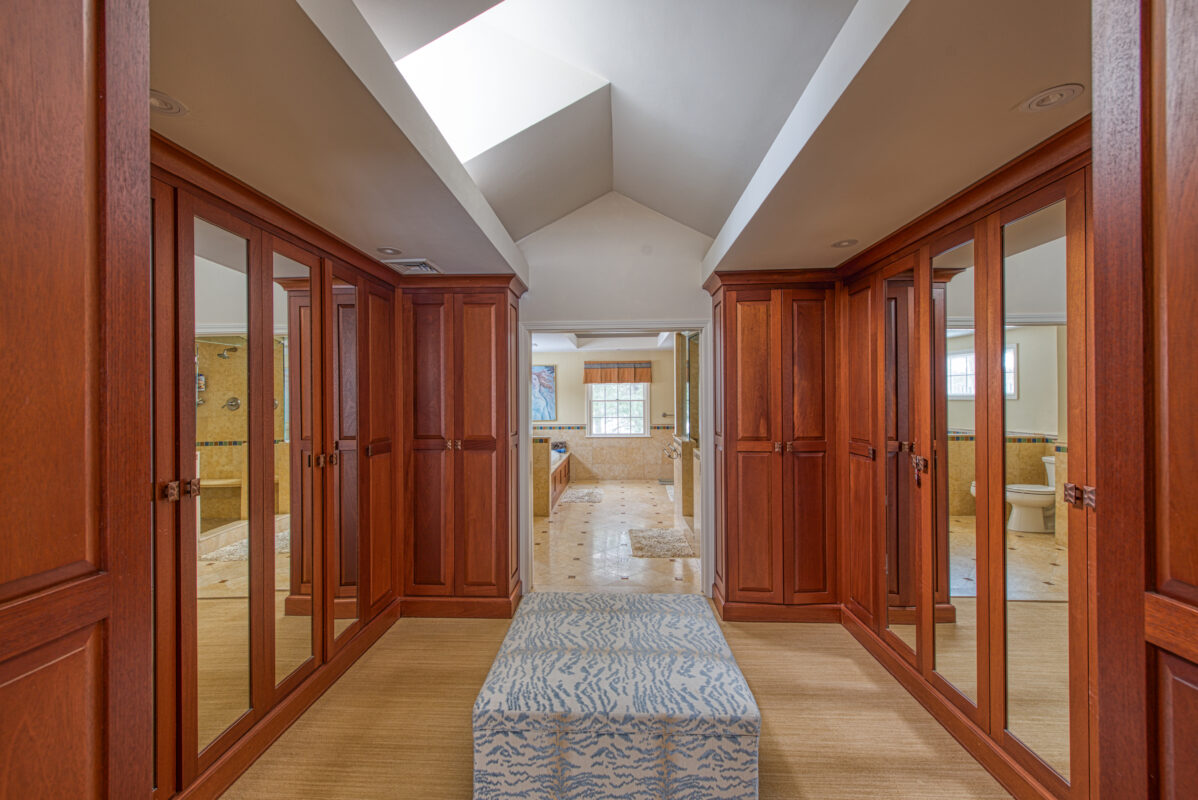
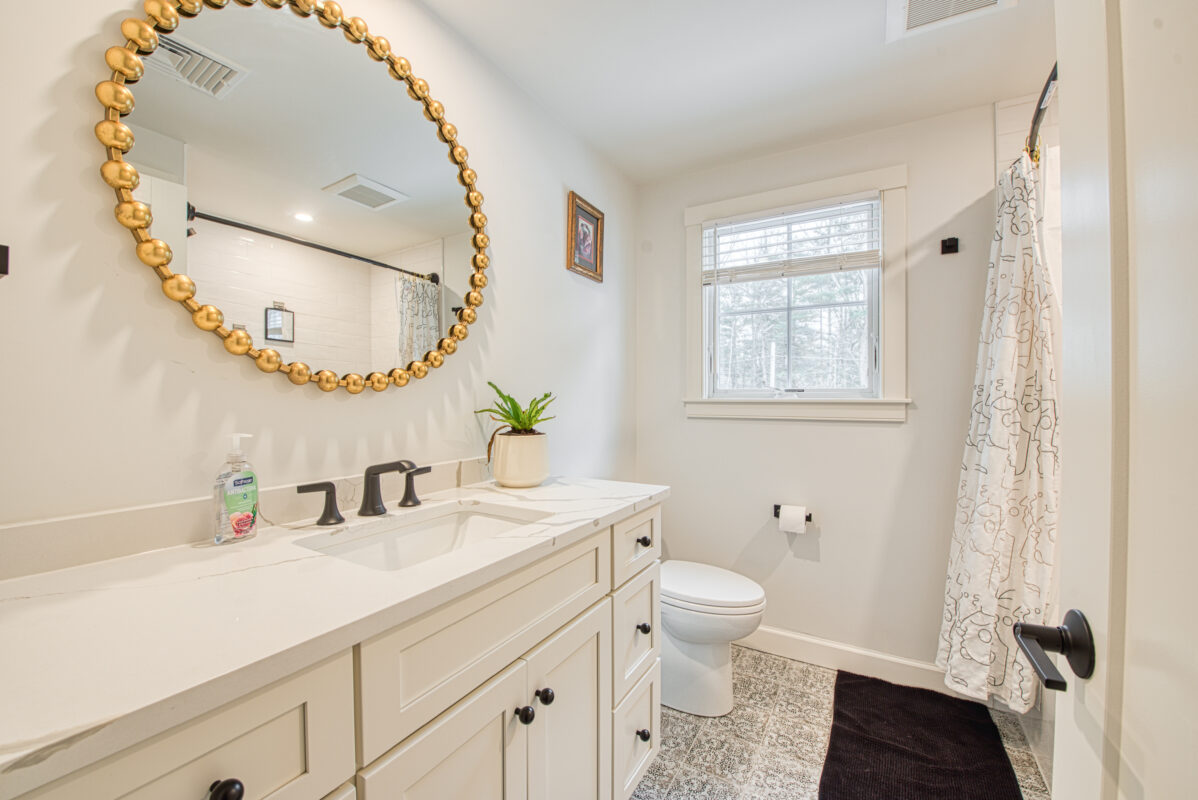
Thoughtful updates that improve how your home functions, feels, and ages over time.

  • Kitchens and bathrooms
  • Interior reconfiguration
  • Structural improvements
  • Material and finish upgrades
  • Energy and comfort improvements

Additions

3613752766350470018001

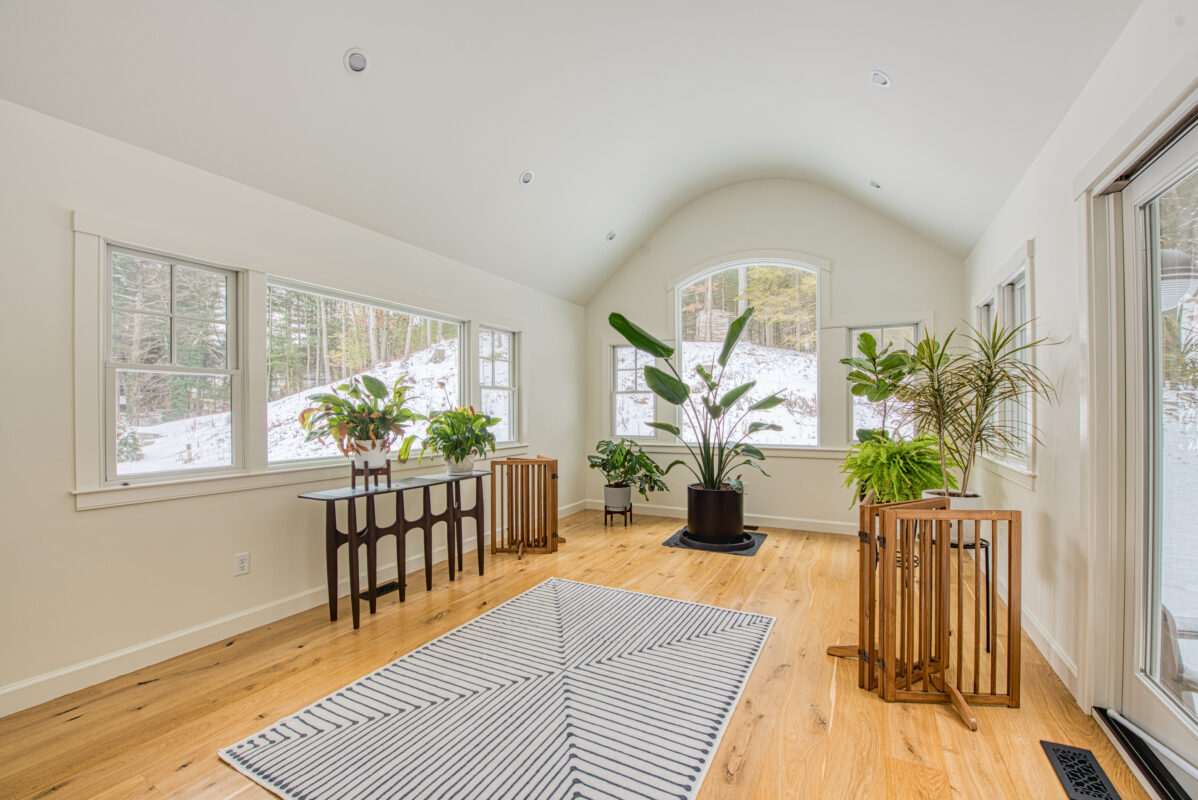
New spaces designed to feel original to the home, not added on.

  • Living space expansions
  • Seamless interior and exterior integration
  • Primary suites and bedrooms
  • Sunrooms and flexible-use spaces
  • Structural and envelope design

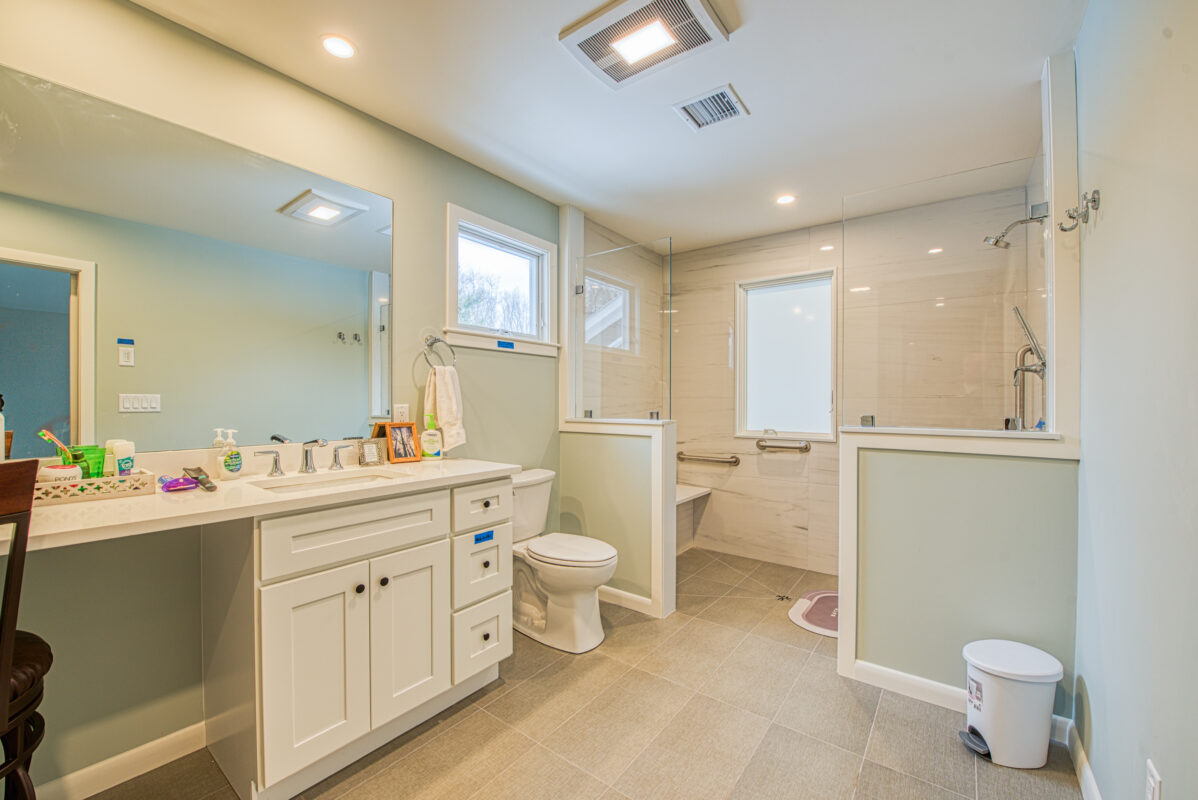
Age In Place

93 s. main 25

Design solutions that support long-term comfort, safety, and independence.

  • Elevator shafts
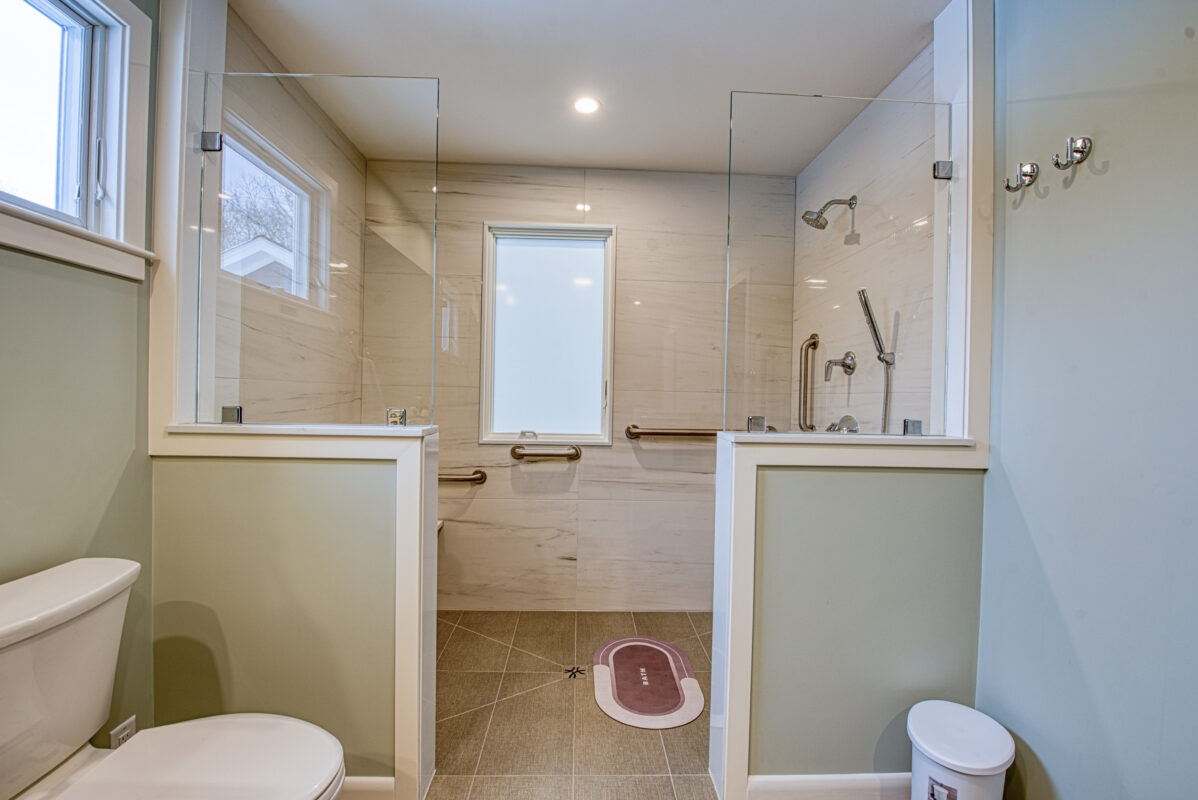
  • Accessible bathrooms and showers
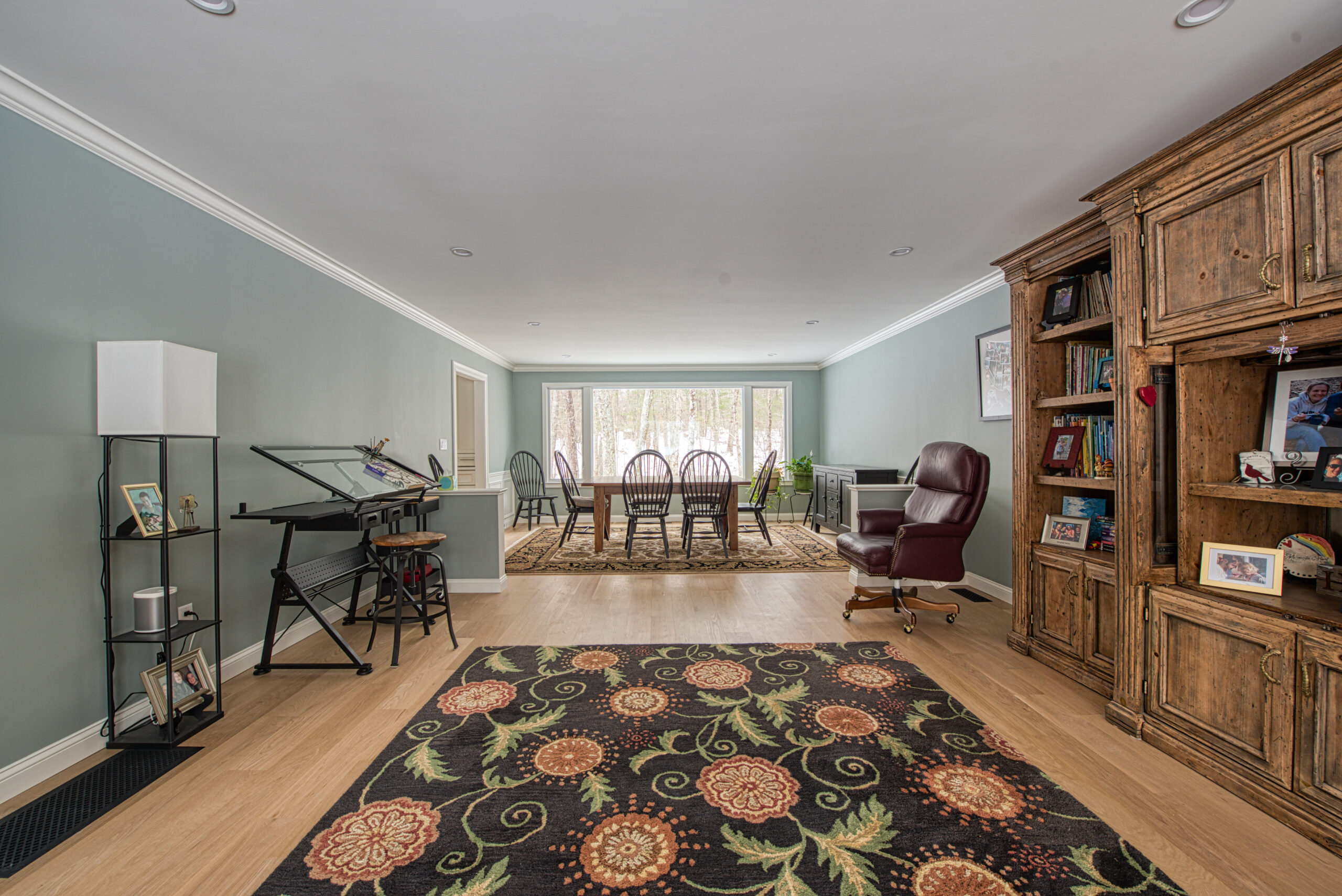
  • Zero-step entries and improved circulation
  • First-floor living solutions
  • Mobility and safety upgrades
  • Long-term planning for changing needs

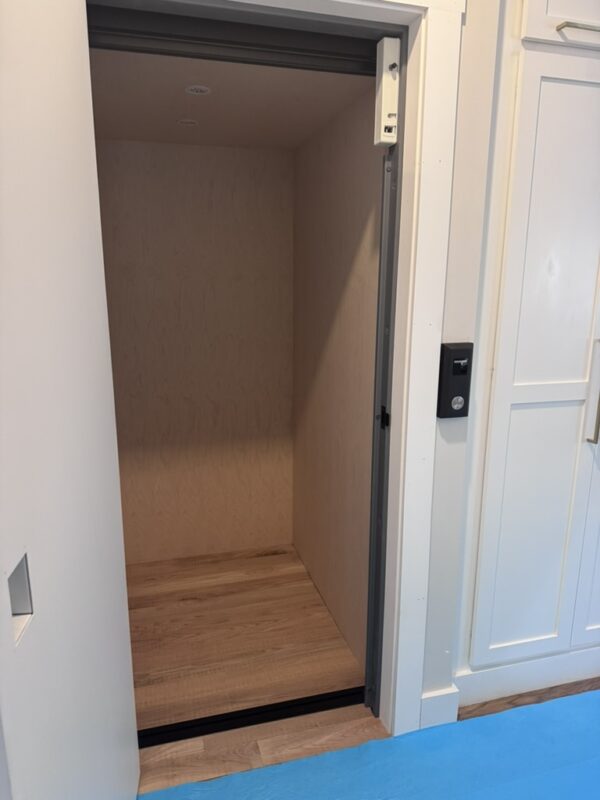
Elevators

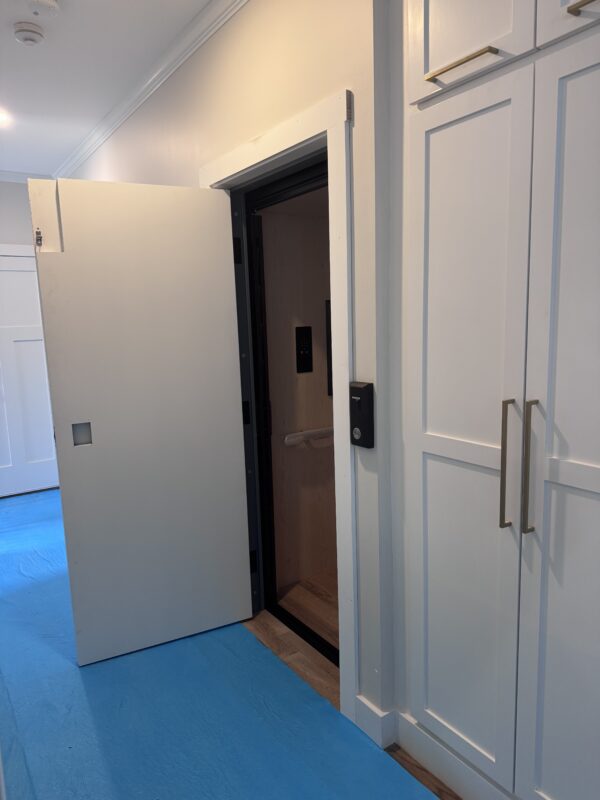
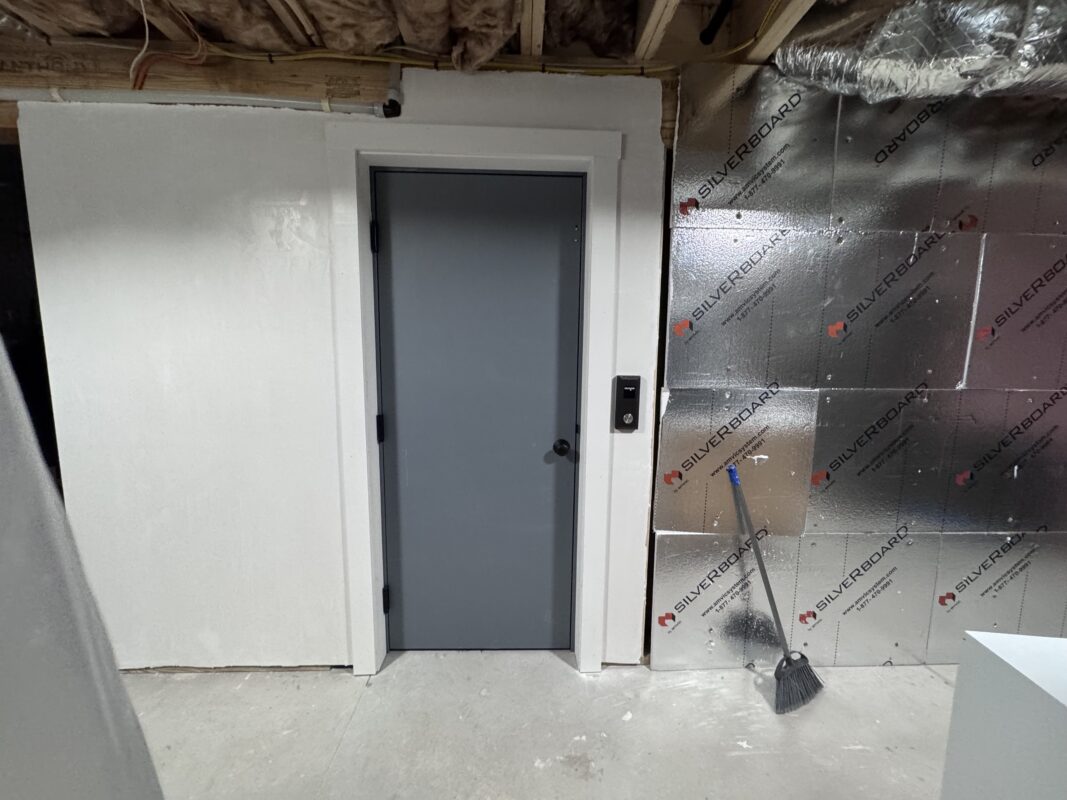
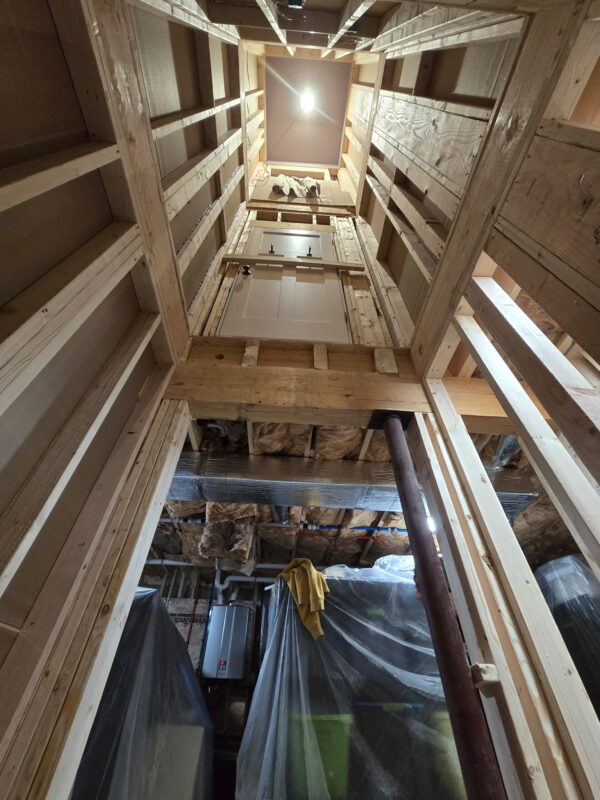
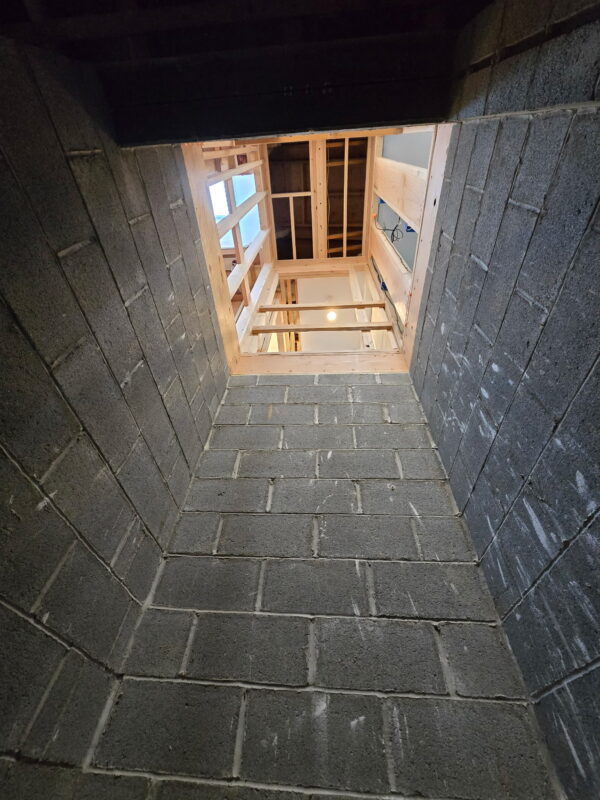
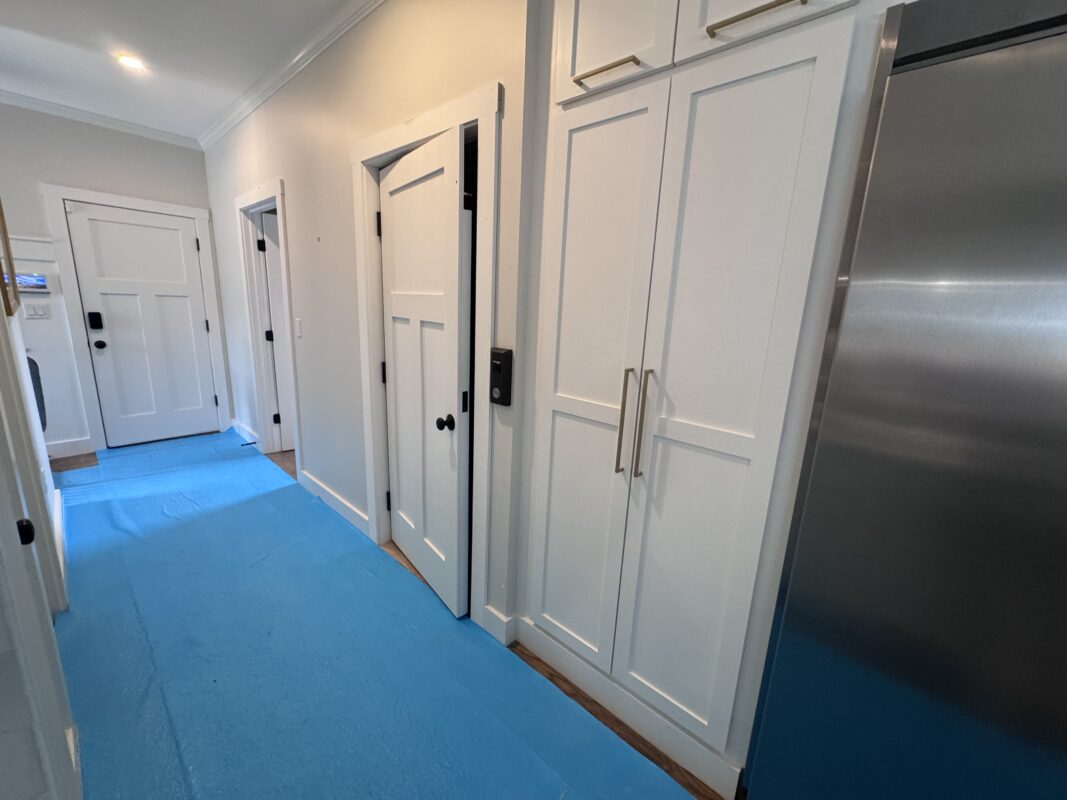
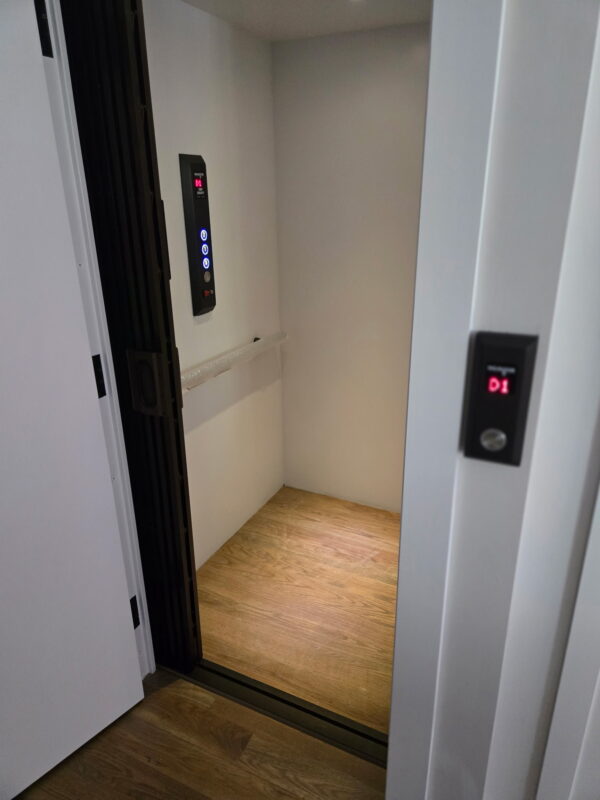
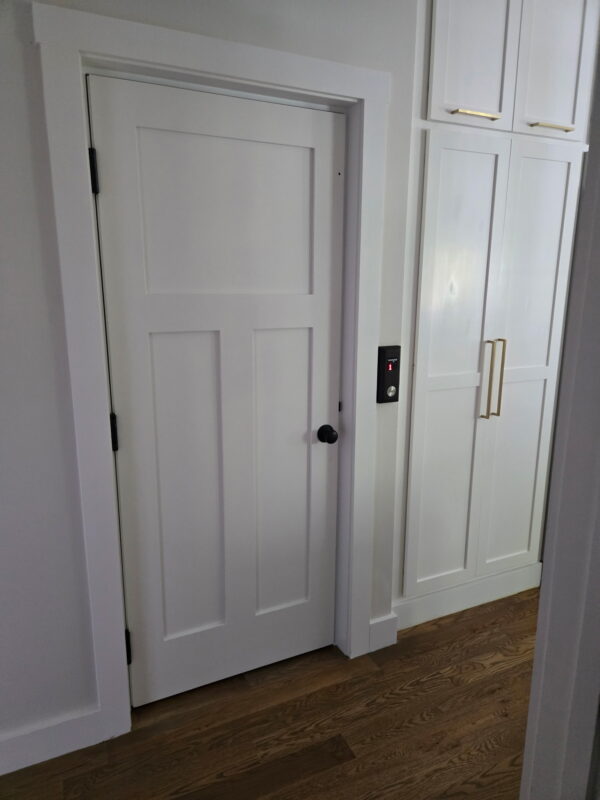
Improve accessibility between floors with a custom elevator shaft

  • Coordinated closely with elevator manufacturers and installers
  • Designed to support accessibility and aging-in-place needs
  • Integrated to fit your home’s layout and architecture
  • Custom doors and trim details to match your home’s character

Accessory Dwelling Units

Additional space designed to support multigenerational living or provide flexible income potential.

  • Detached and attached ADUs
  • In-law suites and multi-generation living spaces
  • Rental and income-producing units
  • Age-in-place and caregiver accommodations
  • Zoning, permitting, and code compliance design

Common questions

Frequently asked questions about ADUs in Massachusetts

What is an ADU?

An accessory dwelling unit is a separate, self-contained residential unit on your property. It has its own entrance, kitchen, bedroom, and bathroom. It is fully independent from your main home, meaning it has its own address, separate entrance and egress, and its own utilities.

An ADU can be built three ways:

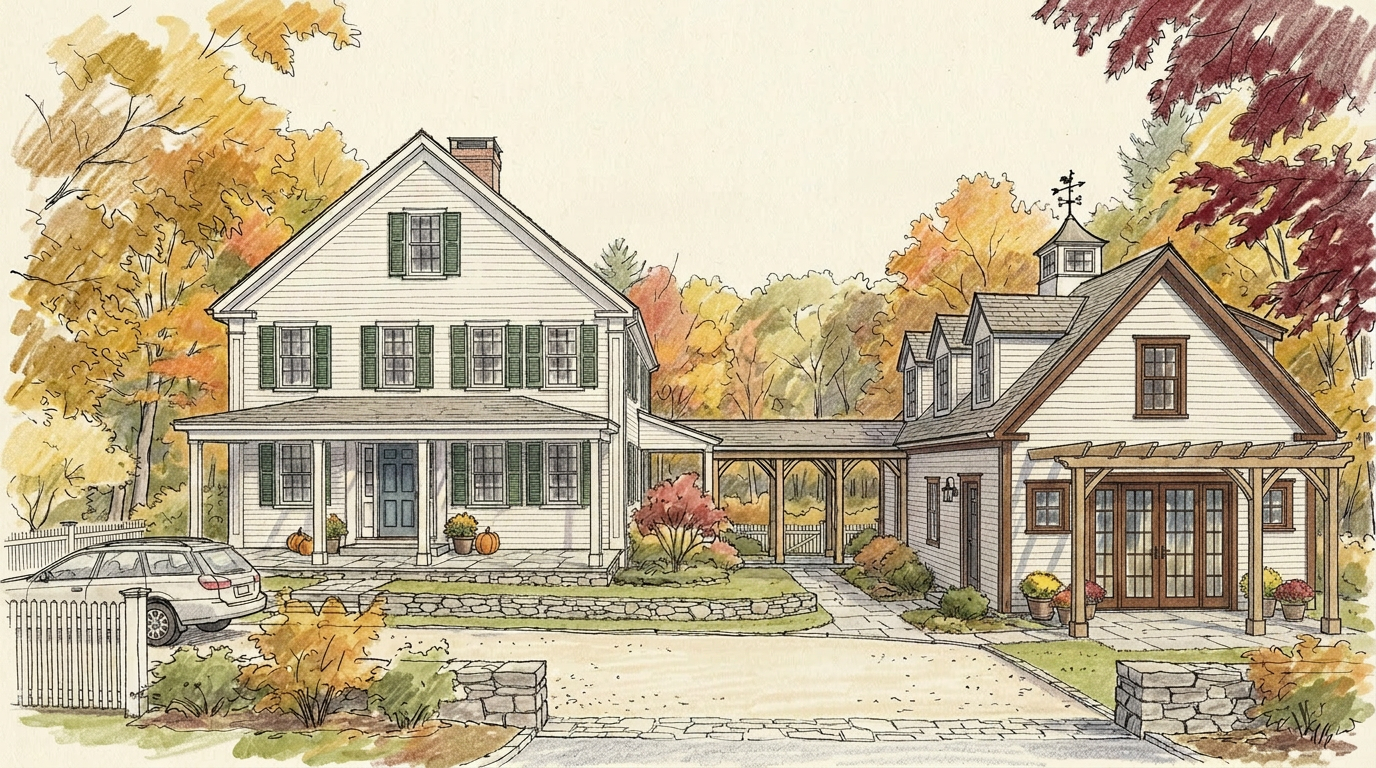
Detached — A standalone structure, like a cottage or guest house in your backyard.

Attached — An addition to your main home with its own separate entrance.

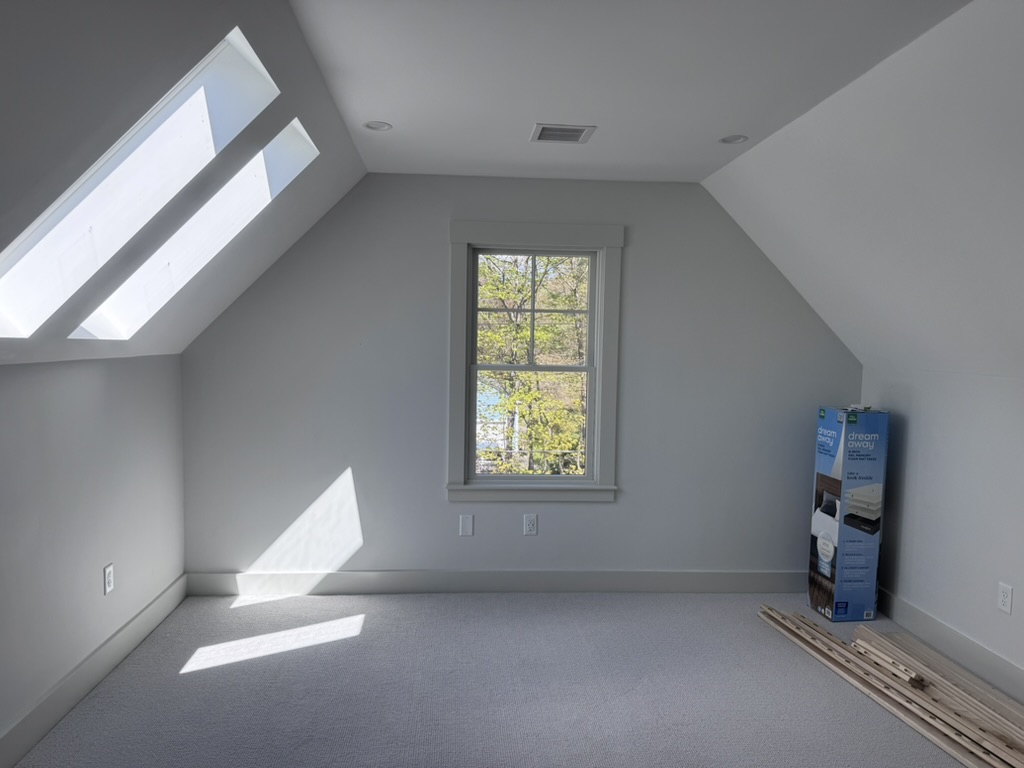
Interior — A converted space within your existing home, like a basement apartment or finished attic unit.

Can I build an ADU on my property?

In most cases, yes. Massachusetts recently adopted regulations that allow one Accessory Dwelling Unit (ADU) by right on single-family residential properties. However, every site is unique. Factors such as lot size, setbacks, wetlands, septic capacity, utility connections, and local zoning requirements can all affect what can be built.

Only one ADU is allowed by right. If you would like to build more than one ADU, additional local approvals may be required, including a special permit, and approval is not guaranteed.

We will evaluate your property, review local requirements, and guide you through the design and permitting process to identify what may be possible on your home.

How large can an ADU be?

An ADU can be up to 900 square feet, or 50 percent of your home’s gross square footage, whichever is smaller. Towns are allowed to be more permissive and allow larger ADUs. We will review your town’s bylaws to determine what may be possible on your property.

Who can live in an ADU?

Short answer: anyone. Family, friends, caregivers, and tenants can all occupy an ADU. According to Massachusetts law, municipalities cannot restrict who can live in a protected-use ADU.

Homeowners commonly use ADUs for:

• Aging parents and relatives
• Adult children seeking independent living space
• Caregivers or household support staff
• Long-term rental tenants
• Guests and extended family
• Multigenerational living arrangements

ADUs offer flexibility for changing family needs, rental income opportunities, and aging-in-place planning while maintaining privacy and independence on the same property.

Learn more about Massachusetts ADU regulations

Ready to take the next step toward your Forever Home?

Let’s start with a free consultation.